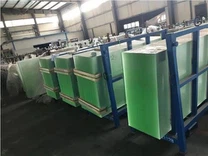
In modern bathrooms, glass shower enclosures are a staple of elegance and practicality. Yet, behind the sleek appearance lies an essential component that contributes significantly to durability and cleanliness: shower glass coatings. These coatings serve as invisible shields that protect glass surfaces from water stains, soap scum, and mineral buildup. Understanding how these coatings work and why they're important is crucial for homeowners, interior designers, and bathroom product manufacturers alike. In this article, we'll break down what shower glass coatings are, how they function, their benefits, types, and maintenance tips.
1. Why Shower Glass Needs Protection
Glass is naturally porous on a microscopic level. When water, soap, and minerals come into contact with unprotected glass, they can seep into these micro-pores and leave behind stains or etching that's difficult to remove. In hard water areas, calcium and magnesium deposits can further exacerbate the problem, leading to cloudy glass over time.
Uncoated shower glass may look pristine when installed, but without a protective layer, it quickly becomes dull and high-maintenance. This is where glass coatings come in-to reduce adhesion of contaminants and make cleaning much easier.
2. What Are Shower Glass Coatings?
Shower glass coatings are thin, transparent layers applied to the surface of glass panels during or after the manufacturing process. They create a smooth, hydrophobic (water-repellent) surface that resists water spots, soap residue, and limescale buildup. Essentially, these coatings act as a barrier between the glass and environmental contaminants.
There are two main types of coatings:
2.1 Hydrophobic Coatings
These coatings repel water by causing it to bead up and roll off the glass rather than spreading out and sticking. As water rolls off, it takes dirt and soap particles with it, reducing stains and buildup. Hydrophobic coatings are often made from silicone-based compounds or nano-technology materials.
2.2 Oleophobic Coatings
In addition to repelling water, oleophobic coatings also resist oils and greases. While more commonly used in electronics, some advanced shower glass coatings also have oleophobic properties, which further reduce the need for frequent cleaning.
3. Types of Glass Coating Technologies
3.1 Factory-Applied Coatings
These are baked or chemically bonded onto the glass during the manufacturing process. Since they're applied under controlled conditions, they tend to be more durable and longer-lasting. Many premium glass manufacturers offer pre-coated options, which are ideal for high-end residential or commercial installations.
3.2 Aftermarket Spray-On Coatings
These are applied by the installer or homeowner after the glass has been installed. While generally easier and more cost-effective to apply, they may not last as long as factory-applied options and may require more frequent reapplication.
3.3 Nanotechnology Coatings
Utilizing extremely small particles to create a protective barrier, nanotech coatings offer superior water and stain resistance. They also tend to be very transparent and durable, often lasting several years with proper care.
4. Key Benefits of Shower Glass Coatings
4.1 Stain Resistance
Coated glass resists mineral buildup, limescale, and soap scum, which are otherwise difficult to clean off once they become etched into the glass surface.
4.2 Easier Maintenance
Thanks to water and oil repellency, cleaning becomes quicker and less frequent. Often, a simple wipe with a microfiber cloth or a gentle cleaner is enough.
4.3 Preserved Clarity
Glass coatings help maintain the clarity and transparency of the glass over time, preserving the aesthetic appeal of the shower enclosure.
4.4 Longer Lifespan
By protecting the glass from chemical and mineral damage, coatings can extend the life of the shower enclosure.
4.5 Cost Savings
Reduced cleaning frequency and longer product lifespan translate into lower maintenance costs and fewer replacement needs.

5. Maintenance Tips for Coated Shower Glass
To maximize the lifespan and effectiveness of your glass coating, consider these maintenance tips:
-Use mild cleaners: Avoid harsh or abrasive chemicals that can degrade the coating. Opt for pH-neutral or specially formulated glass cleaning products.
-Dry after use: Wipe down the glass with a squeegee or soft cloth after every shower to remove water droplets before they dry.
-Avoid rough scrubbers: Use microfiber cloths or non-scratch sponges to prevent damaging the coating.
-Reapply if needed: Some aftermarket coatings may wear off after a year or two. If water stops beading on the surface, it may be time to recoat.
-Regular inspection: Keep an eye out for dull spots or cloudiness, which may indicate that the coating needs attention.
6. Common Myths About Shower Glass Coatings
❌ "Coated glass never needs cleaning."
While coatings significantly reduce buildup, they don't eliminate the need for cleaning entirely. They just make it easier and less frequent.
❌ "All coatings are the same."
There are varying levels of quality and durability. Factory-applied and nano-coatings tend to last longer and perform better than basic spray-on types.
❌ "You can use any cleaner on coated glass."
Some chemicals, particularly ammonia-based or acidic cleaners, can break down coatings prematurely.
7. Choosing the Right Coating for Your Project
When selecting shower glass, consider the following:
-Environment: Hard water areas benefit more from higher-performance coatings.
-Budget: Factory-coated glass costs more upfront but saves money in the long run.
-Usage: High-traffic bathrooms (e.g., in hotels or gyms) benefit from durable, professional-grade coatings.
-Aesthetic priorities: If maintaining crystal-clear glass is a top priority, opt for high-end, hydrophobic coatings.
If you're working with a glass supplier or manufacturer, ask if the coating is included, how it's applied, and what kind of maintenance it requires.
Conclusion
Shower glass coatings might be invisible to the eye, but their impact on the longevity and appearance of your shower enclosure is significant. Whether you're upgrading a home bathroom or designing a commercial facility, investing in quality coated glass can lead to less maintenance, better hygiene, and a consistently beautiful bathroom space.
As technologies continue to evolve, glass coatings are becoming more effective, affordable, and widely available. Understanding your options and taking the right steps in care and maintenance will ensure your investment remains crystal-clear for years to come.