Padel is one of the fastest-growing sports in the world, combining elements of tennis and squash in an exciting and dynamic format. A well-designed padel court is critical to the game's success and the players' overall experience. One of the most important components of a padel court is the glass used for fencing and walls, as it provides structural integrity, safety, and visibility. Properly selecting and installing the glass is essential for creating a court that meets international standards while ensuring durability and aesthetics.
1. Glass Type and Material Selection
The type of glass used in a padel court has a direct impact on the court's safety, performance, and longevity.
1.1 Tempered Glass
Durability: Tempered glass is the most commonly used material for padel courts because of its superior strength. It is up to five times stronger than regular annealed glass, making it highly resistant to impacts from balls or players.
Safety: In the rare event of breakage, tempered glass shatters into small, blunt fragments, minimizing the risk of injury.
Compliance: Most padel courts are required to use tempered glass to meet safety standards set by organizations like the International Padel Federation (FIP).
1.2 Glass Thickness
Standard Thickness: The most common thickness for padel court glass is 10mm or 12mm. Thicker glass provides better impact resistance and stability, particularly for outdoor courts exposed to wind.
Cost vs. Strength: While 10mm glass may be slightly more cost-effective, 12mm glass is recommended for increased durability, especially in high-traffic or professional settings.
2. Safety Standards and Regulations
Adhering to safety standards is a critical consideration when installing glass in padel courts.
2.1 Certification Requirements
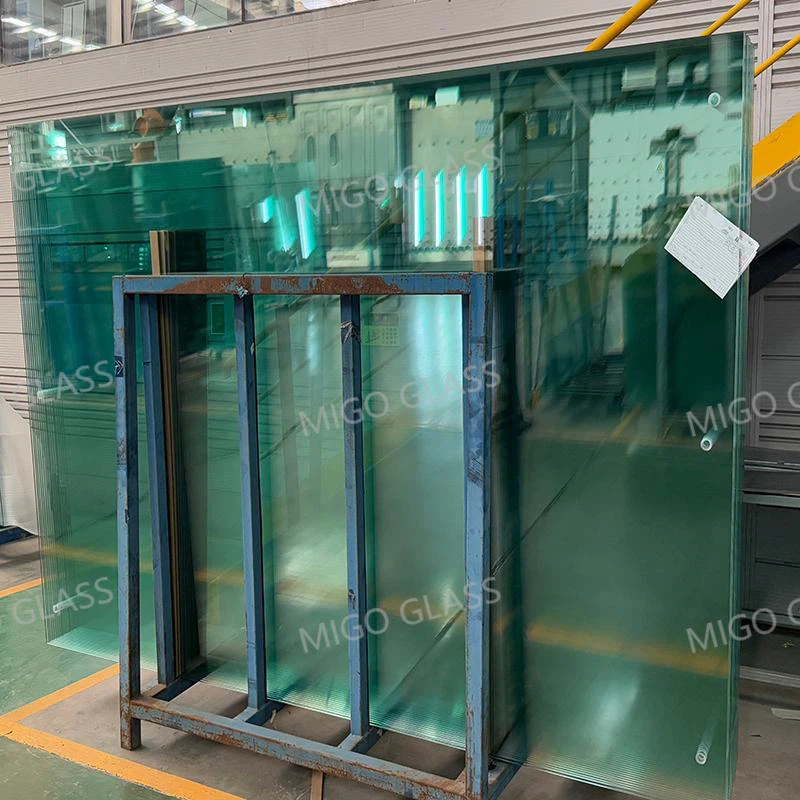
The glass must meet international safety standards, such as EN12150 (European standard for tempered glass) or ASTM C1048 (American standard for flat glass). These certifications ensure that the glass has been tested for strength, durability, and safety.
2.2 Load Testing
Glass panels should undergo load testing to confirm that they can withstand the high-impact forces generated during play, particularly from balls striking the surface at high speeds.
2.3 Edge Polishing
For added safety, the edges of each glass panel should be polished to eliminate sharp corners and reduce the risk of injury during installation or use.
3. Installation Considerations
Proper installation is essential to ensure the glass performs as intended and provides a safe playing environment.
3.1 Structural Support
Framed vs. Frameless Designs:
Framed designs use metal or aluminum frames for extra support, which is ideal for outdoor courts exposed to wind or vibrations.
Frameless designs offer a sleeker, more modern look but require precise installation to ensure stability.
Anchor Points: Glass panels must be securely anchored to the court's foundation to prevent movement or displacement during use.
3.2 Alignment and Spacing
Proper alignment of the glass panels is crucial to maintain the court's structural integrity and aesthetic appeal. Panels must be spaced correctly to accommodate thermal expansion and prevent cracking due to temperature fluctuations.
3.3 Vibration Dampening
The constant impact of balls and rackets can cause vibrations in the glass. Installing rubber gaskets or other vibration-dampening materials between the glass and its frame can minimize stress and extend the glass's lifespan.
4. Environmental Factors
Environmental conditions play a significant role in determining the type of glass and installation techniques used for padel courts.
4.1 Indoor vs. Outdoor Courts
Indoor Courts: Glass used in indoor courts is typically less exposed to environmental stressors. However, anti-glare coatings may still be necessary to reduce reflections from artificial lighting.
Outdoor Courts: For outdoor courts, the glass must withstand wind loads, temperature changes, and UV exposure. Thicker glass and additional treatments, such as weatherproofing, are recommended.
4.2 Climate Conditions
In areas prone to extreme weather, such as high winds or heavy rainfall, additional reinforcements may be required to secure the glass. For hot climates, UV-resistant coatings can protect the glass and the surrounding structure from damage.
5. Maintenance and Longevity
Maintaining the glass is essential to preserve its appearance and functionality over time.
5.1 Cleaning
Regular cleaning with non-abrasive glass cleaners is recommended to remove dirt, smudges, and water stains. Avoid harsh chemicals that could damage coatings or treatments on the glass.
5.2 Inspection
Periodically inspect the glass for cracks, chips, or other signs of wear. Addressing minor issues early can prevent more significant problems from developing.
5.3 Hardware Maintenance
Check the condition of frames, anchors, and gaskets to ensure they remain secure and functional. Replace any worn or damaged components as needed.
6. Aesthetic Considerations
Glass is not only functional but also a key design element in padel courts.
6.1 Clear Visibility
High-clarity glass enhances the viewing experience for spectators while providing players with a clear line of sight. This is especially important for professional tournaments.
6.2 Custom Branding
Glass panels can be customized with logos, patterns, or other branding elements, making the court unique and enhancing its visual appeal.
6.3 Seamless Integration
Frameless glass designs create a sleek, modern appearance that blends seamlessly into the surrounding environment.
7. Costs and Budgeting
While cost is an important consideration, it's essential not to compromise on quality when selecting glass for a padel court.
7.1 Initial Investment
High-quality tempered glass may have a higher upfront cost, but its durability and safety make it a worthwhile investment in the long run.
7.2 Long-Term Savings
Opting for premium materials and proper installation reduces the need for frequent repairs or replacements, resulting in lower maintenance costs.
Conclusion
Glass plays a vital role in the design and functionality of padel courts, providing safety, visibility, and durability. When installing glass in a padel court, it's essential to carefully consider factors such as material selection, safety standards, installation techniques, and environmental conditions. By prioritizing quality and proper installation, you can create a court that meets international standards and delivers an exceptional playing experience.
Whether you're building a new padel court or upgrading an existing one, investing in high-quality glass and professional installation will ensure the court remains safe, durable, and visually appealing for years to come. With the right approach, your padel court can become a standout feature that attracts players and spectators alike.