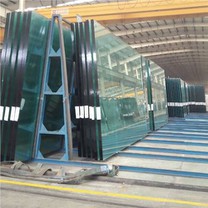
Laminated glass is generally more expensive than other common types of safety glass, primarily due to its manufacturing process and added materials. Here's a breakdown of how it compares:
vs. Tempered Glass
Tempered glass is typically cheaper. It undergoes a heat-treating process (no additional layers), making production simpler and more cost-effective. Laminated glass, by contrast, requires bonding multiple glass sheets with a PVB interlayer and extra steps like autoclaving, which adds to material and labor costs.

vs. Chemically Strengthened Glass
Chemically strengthened glass (treated with ions to enhance strength) is often pricier than tempered glass but can be comparable to or slightly cheaper than laminated glass, depending on thickness and size. Its cost varies more by application, though it lacks the interlayer that drives laminated glass's higher price.
vs. Wire Glass
Wire glass (with embedded wire mesh) is an older safety glass type and is usually less expensive than laminated glass. However, it offers lower safety performance (shards can still fall) and is less common in modern designs, especially for applications like safety glass railing.

In summary, laminated glass's cost premium reflects its unique safety benefits (retaining shards via the interlayer) and added features like sound insulation. For safety glass railing, where shatter retention is critical, this extra cost is often justified, even if it exceeds tempered or wire glass options.