Laminated glass is made through a multi-step process designed to bond glass layers with a protective interlayer, typically PVB (polyvinyl butyral):
Glass Preparation: Two or more sheets of glass are cut to size and thoroughly cleaned to remove dust, oils, or debris-any contaminants could weaken the bond.
Interlayer Placement: A thin sheet of PVB (or sometimes other materials like EVA) is placed between the glass sheets. This flexible, adhesive interlayer acts as the "glue" that holds the glass together.
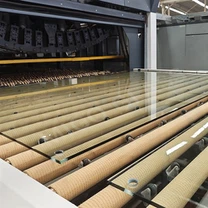
Assembly: The glass-PVB stack is layered (glass → PVB → glass, and so on for multiple layers) and positioned in a machine to remove air bubbles, often using rollers to press out trapped air.
Pre-Bonding (Autoclave Prep): The stacked layers go through a preliminary heating process (in an oven or with heated rollers) to soften the PVB, causing it to adhere lightly to the glass and remove remaining air pockets.
Final Bonding (Autoclave): The assembly is then placed in an autoclave-a high-pressure, high-temperature chamber. Here, heat (around 120–140°C) melts the PVB, and pressure (10–15 bar) forces it to fully bond with the glass surfaces, creating a single, strong unit.

The result is a durable material where the interlayer keeps glass shards intact even if shattered-making it ideal for safety-critical uses like safety glass railing.