Patterned glass is widely used in modern architectural and interior design projects. Among the popular decorative options, fluted glass and rain glass are often selected for doors, partitions, shower enclosures, and windows.
Both types allow natural light to enter while reducing direct visibility. However, their surface patterns, visual effects, and privacy characteristics are quite different.
For architects, glass distributors, interior contractors, and international B2B buyers, understanding these differences can help determine which glass is more suitable for each project.
1. What Is Fluted Glass?
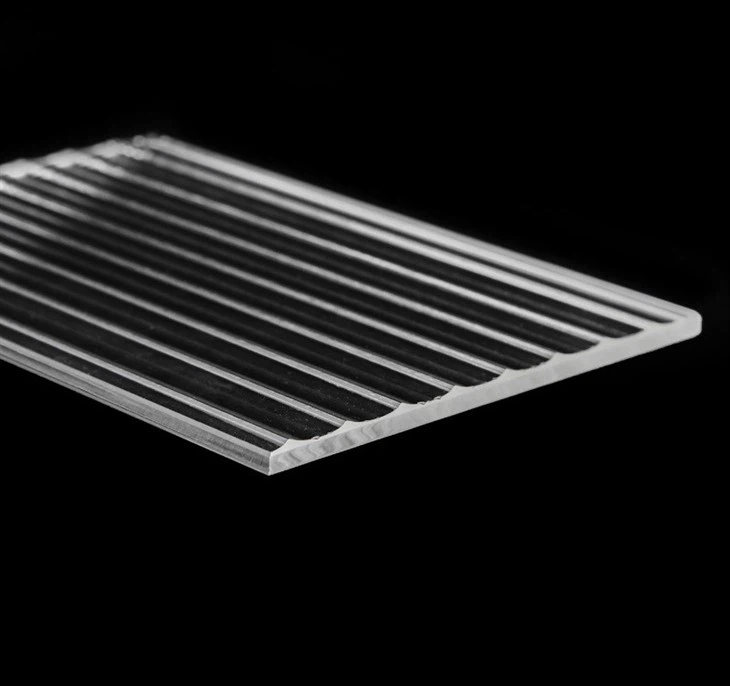
Fluted glass, also known as reeded or ribbed glass, features regular parallel grooves or raised lines on its surface.
Its linear texture creates a structured visual appearance and produces distinctive light distortion.
Fluted glass is commonly used in modern interior partitions, cabinet doors, shower screens, and decorative glass doors.
Low iron fluted glass is another popular option for premium projects because its reduced iron content minimizes the green tint associated with standard clear glass.
2. What Is Rain Glass?
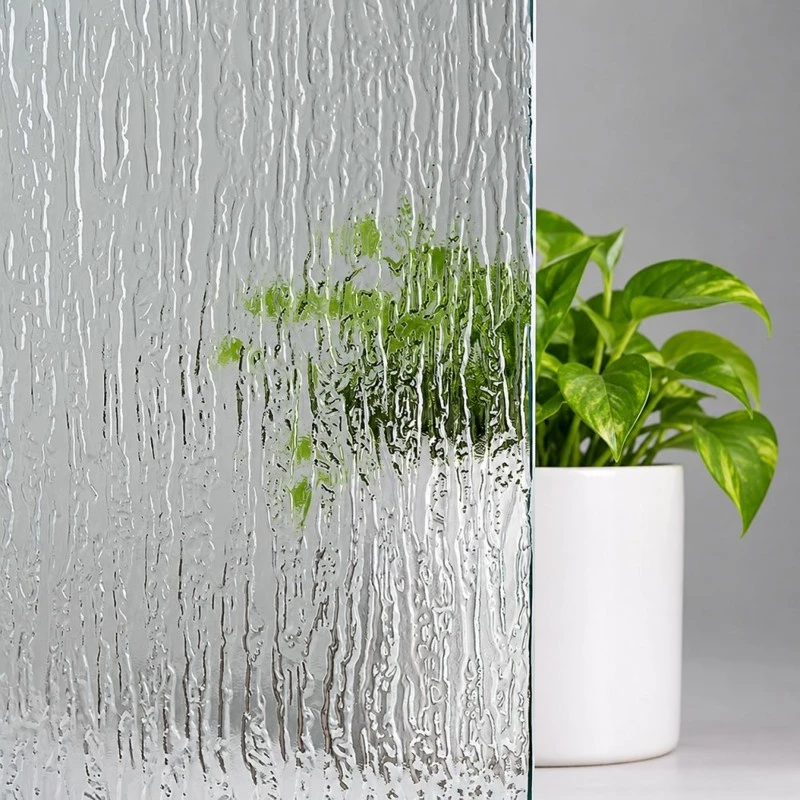
Rain glass is a type of patterned glass featuring irregular lines and textures that resemble raindrops running down a window.
Unlike the regular parallel pattern of fluted glass, rain glass creates a more natural and organic visual effect.
Its textured surface distorts direct visibility while allowing natural light to pass through.
Rain glass is commonly used in bathroom windows, shower enclosures, interior partitions, and decorative doors where privacy and natural lighting are both important.
3. Fluted Glass vs Rain Glass: Key Differences
Although both products provide decorative texture and visual screening, they offer different design characteristics.
| Comparison | Fluted Glass | Rain Glass |
|---|---|---|
| Surface pattern | Regular parallel grooves | Irregular rain-like texture |
| Visual appearance | Linear and structured | Natural and organic |
| Light effect | Directional visual distortion | Irregular light scattering |
| Privacy | Depends on groove depth and spacing | Depends on pattern depth and texture |
| Design style | Modern and architectural | Soft and decorative |
| Common applications | Partitions, doors, cabinets | Bathrooms, windows, shower screens |
The actual privacy and light transmission performance depends on the specific pattern, glass thickness, and product configuration.
4. Which Glass Provides Better Privacy?
Privacy is an important consideration when selecting decorative glass.
Fluted glass uses repeated linear grooves to distort objects behind the panel. Depending on the groove spacing and viewing angle, some outlines may remain recognizable.
Rain glass creates irregular visual distortion through its textured surface. It can make objects behind the glass more difficult to distinguish, depending on the selected pattern.
Neither type guarantees complete visual privacy. Buyers should evaluate physical samples under realistic lighting and viewing conditions before making a final selection.
5. Which Is Better for Different Applications?
Fluted Glass Applications
Fluted glass is particularly suitable for:
- Office and residential partitions
- Interior glass doors
- Kitchen and wardrobe cabinets
- Decorative shower screens
- Retail displays and hotel interiors
Its regular linear texture works well in projects requiring a consistent architectural appearance.
Rain Glass Applications
Rain glass is often selected for:
- Bathroom windows
- Shower enclosures
- Interior privacy partitions
- Decorative doors
- Residential and commercial windows
Its irregular pattern creates a softer decorative appearance while reducing direct visibility.
6. What Should B2B Buyers Consider Before Ordering?
When sourcing fluted or rain glass for commercial projects, buyers should confirm:
- Glass type: standard clear or low iron
- Glass thickness and panel dimensions
- Pattern design and surface orientation
- Required privacy and light transmission
- Tempering or lamination requirements
- Edge polishing, drilling, and cut-outs
- Packaging and transportation requirements
For large-volume orders, requesting physical samples is recommended to confirm the actual pattern, appearance, and visual performance.
Conclusion
Fluted glass and rain glass both offer decorative texture while maintaining natural light transmission, but they serve different design preferences.
Fluted glass is suitable for projects requiring regular linear patterns and a modern architectural appearance. Rain glass is a good option for applications that prefer irregular textures and a softer visual effect.
For international glass buyers, selecting the right patterned glass should be based on the intended application, privacy requirements, and actual product samples.
Explore MIGO and customized patterned glass solutions for your next architectural project.