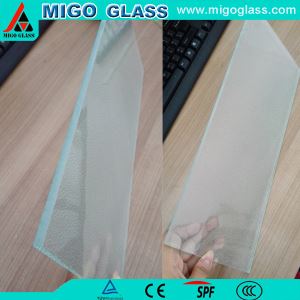
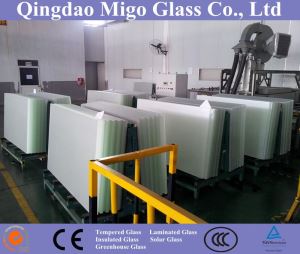
Introduction to Curved Tempered Glass
Curved tempered glass is a specialized form of glass that has been shaped into a curved form and treated to enhance its strength and safety. This type of glass is widely used in various applications, including architecture, furniture design, and interior decor. The unique properties of curved tempered glass make it an attractive choice for designers and architects looking to create visually stunning and structurally sound environments.
The production of curved tempered glass involves a series of precise processes that ensure its quality and durability. This article will explore what curved tempered glass is, the manufacturing process, its advantages, how it can be further processed into laminated and insulated glass, and a comparison with hot bent glass.
What is Curved Tempered Glass?
Curved tempered glass is essentially flat glass that has been heated and shaped into a curve, then subjected to tempering processes. The tempering process involves heating the glass to a temperature of approximately 600-700 degrees Celsius and then rapidly cooling it. This process creates internal stresses that significantly increase the glass's strength compared to standard glass.
Curved tempered glass can be found in a variety of applications, including:
- Architectural Elements: Curved facades, skylights, and curtain walls.
- Furniture: Curved tabletops, shelves, and decorative elements.
- Interior Design: Curved partitions and decorative glass walls.


The Manufacturing Process
The manufacturing process of curved tempered glass is intricate and requires specialized equipment. Here's a step-by-step overview:
1. Material Selection
The process begins with selecting high-quality float glass as the raw material. The glass is chosen based on its clarity, thickness, and overall quality.
2. Cutting and Shaping
Once the glass is selected, it is cut to the desired dimensions using precise cutting tools. The glass is then placed in a bending machine where it is heated and molded into the required curve. This step is crucial, as the shape must meet specific design requirements.
3. Heating
After shaping, the glass is heated in a tempering furnace. The temperature is carefully controlled to ensure that the glass reaches the optimal temperature for bending without causing any defects.
4. Rapid Cooling
Following the heating phase, the glass undergoes a rapid cooling process, known as quenching. This is achieved by blowing cool air onto the glass, which causes the outer surfaces to cool quickly while the inner layers remain hot. This rapid temperature change creates compressive stresses on the surface and tensile stresses in the core, giving the glass its toughened characteristics.
5. Quality Inspection
Once the glass has cooled, it undergoes rigorous quality inspections to check for any defects, such as bubbles, cracks, or distortions. Only the glass that passes these inspections is deemed suitable for use.
6. Packaging and Shipping
After passing inspections, the curved tempered glass is carefully packaged to prevent damage during transportation and is then shipped to customers or construction sites.
Advantages of Curved Tempered Glass
Curved tempered glass offers a range of benefits that make it a popular choice for various applications:
1. Enhanced Strength
The tempering process significantly increases the strength of the glass. Curved tempered glass is approximately five to seven times stronger than standard glass of the same thickness, making it highly resistant to impact and thermal stress.
2. Safety Features
In the event of breakage, tempered glass shatters into small, blunt pieces rather than sharp shards, reducing the risk of injury. This safety feature is particularly important in public spaces and homes with children.
3. Aesthetic Appeal
The smooth, curved surfaces of tempered glass provide a modern and elegant look that can enhance the overall design of a space. This aesthetic versatility allows for creative architectural designs that would be challenging with traditional flat glass.
4. Thermal Resistance
Curved tempered glass can withstand significant temperature fluctuations without breaking, making it suitable for both indoor and outdoor applications. This thermal resistance is especially beneficial in regions with extreme weather conditions.
5. Versatility
Curved tempered glass can be used in a wide variety of applications, from architectural facades to furniture design, making it a highly versatile material.
Further Processing: Curved Laminated and Insulated Glass
Curved tempered glass can be further processed to create additional types of glass, such as curved laminated glass and curved insulated glass.
Curved Laminated Glass
Curved laminated glass consists of two or more layers of curved tempered glass bonded together with an interlayer, typically made of polyvinyl butyral (PVB). This interlayer enhances the glass's safety and acoustic properties. When broken, the glass fragments adhere to the interlayer, preventing shattering and increasing security.
Applications of Curved Laminated Glass:
Safety Glass: Used in areas where safety is paramount, such as skylights and glass floors.
Acoustic Insulation: Effective in reducing noise transmission, making it ideal for buildings in noisy environments.
Curved Insulated Glass
Curved insulated glass is made by sealing two or more layers of curved tempered glass with an air space in between, creating a thermal barrier. This design helps improve energy efficiency by minimizing heat transfer, thereby reducing heating and cooling costs.
Applications of Curved Insulated Glass:
Energy-Efficient Windows: Used in commercial and residential buildings to enhance energy efficiency.
Curtain Walls: Ideal for large glass facades that require both aesthetic appeal and thermal performance.
Comparing Curved Tempered Glass and Hot Bent Glass
While both curved tempered glass and hot bent glass are used to create curved shapes, they differ significantly in their properties and production methods.
- Production Process
Curved Tempered Glass: Involves heating and rapid cooling, which imparts strength and safety features.
Hot Bent Glass: Simply heated to a pliable state and shaped without the rapid cooling process. This method generally results in lower strength and safety.
- Strength and Durability
Curved Tempered Glass: Offers enhanced strength and durability due to the tempering process, making it suitable for high-impact applications.
Hot Bent Glass: Less durable and more prone to breakage, making it unsuitable for safety-critical applications.
- Aesthetic Flexibility
Curved Tempered Glass: Can be produced in a variety of complex shapes while maintaining structural integrity.
Hot Bent Glass: While it can achieve curves, the lack of tempering limits its design flexibility and durability.
- Applications
Curved Tempered Glass: Commonly used in architectural applications, furniture, and safety-critical environments.
Hot Bent Glass: Typically used in decorative applications where safety is not a primary concern.
Conclusion
Curved tempered glass is a remarkable material that combines beauty, strength, and safety. Its unique manufacturing process results in a product that meets the demands of modern architecture and design. With its ability to be further processed into laminated and insulated glass, curved tempered glass offers endless possibilities for creative applications.
As the demand for innovative design solutions continues to grow, curved tempered glass remains at the forefront of material technology, providing both aesthetic appeal and functionality in a wide range of environments. Whether used in residential homes, commercial buildings, or furniture design, curved tempered glass is an exceptional choice for those seeking quality and style.
For more information on curved tempered glass and to request a quote, please contact MIGO GLASS today!