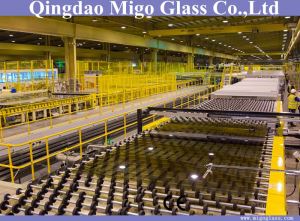
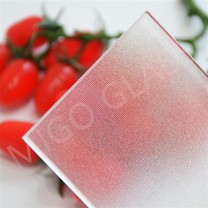
Coated glass is also called reflective glass. Coated glass is a glass surface coated with one or more layers of metal, alloy or metal compound film to change the optical properties of the glass to meet certain specific requirements. Coated glass can be divided into the following categories according to the different characteristics of the product: heat reflective glass, low-emissivity glass (Low-E), conductive film glass, etc.

Classification
Heat-reflective glass is generally coated with one or more layers of thin films composed of metals such as chromium, titanium or stainless steel or their compounds on the glass surface, making the product rich in color, with appropriate transmittance for visible light, high reflectivity for infrared rays, and high absorption rate for ultraviolet rays. Therefore, it is also called sunlight control glass, which is mainly used in buildings and glass curtain walls; low-emissivity glass is a thin film system composed of multiple layers of silver, copper or tin or other metals or their compounds coated on the glass surface. The product has high transmittance for visible light, high reflectivity for infrared rays, and good heat insulation performance. It is mainly used in buildings and transportation vehicles such as automobiles and ships. Due to the poor strength of the film layer, it is generally made into hollow glass for use; conductive film glass is coated with conductive films such as indium tin oxide on the glass surface, which can be used for heating, defrosting, defogging, and as a liquid crystal display screen.
There are many methods for producing coated glass, mainly vacuum magnetron sputtering, vacuum evaporation, chemical vapor deposition, and sol-gel method. Magnetron sputtering coated glass can design and manufacture multi-layer complex film systems using magnetron sputtering technology. It can coat a variety of colors on a white glass substrate. The film layer has good corrosion resistance and wear resistance. It is one of the most produced and used products at present. There is a certain gap between the variety and quality of vacuum evaporation coated glass and magnetron sputtering coated glass, and it has been gradually replaced by vacuum sputtering. Chemical vapor deposition is to introduce reactive gas into the float glass production line to decompose on the hot glass surface and evenly deposit on the glass surface to form coated glass. The characteristics of this method are low equipment investment, easy regulation, low product cost, good chemical stability, and thermal processing. It is one of the most promising production methods at present. The sol-gel method is simple to produce coated glass with good stability. The disadvantage is that the product light transmittance is too high and the decorative effect is poor.
Energy-saving
Sunlight control glass
Online sunlight control coated glass is a coated glass that has a good control effect on sunlight. This glass has good thermal insulation performance. Under the condition of ensuring soft indoor lighting, it can effectively shield the solar radiation energy entering the room. It can avoid the greenhouse effect and save energy consumption of indoor cooling air conditioning. It also has one-way perspective. The coating layer of sunlight control coated glass has one-way perspective, so it is also called single-reflective glass.
Sunlight control coated glass has stable physical and chemical properties and can be used as building door and window glass, curtain wall glass, and can also be used to make high-performance insulating glass. It has good energy saving and decorative effects. Many modern high-end buildings use coated glass as curtain walls, but when using it, you should pay attention to the fact that improper or excessive use of the area will cause light pollution and affect the harmony of the environment.
High-transmittance Low-E glass
High-transmittance LowE glass has a high visible light transmittance, a high solar transmittance and a far-infrared emissivity, so it has excellent lighting, more solar heat radiation through the glass, and excellent thermal insulation performance. It is suitable for high-transmittance buildings in cold northern regions and some regions, highlighting the natural lighting effect.
Sunshade Low-E glass
Sunshade LowE glass has a certain degree of sunshade effect on indoor sight, which can prevent solar heat radiation from entering the room and limit the secondary heat radiation from the outside in summer. It is suitable for both the south and the north. Because of its rich decorative effect and outdoor sight shading effect, it is suitable for all kinds of buildings.
Double silver Low-E glass
Double silver low-e refers to the coating of two layers of silver film on the same surface of the glass. The two film layers are very close, so close that light interference can occur. Double silver LowE glass highlights the sunshade effect of glass on solar heat radiation, and cleverly combines the high light transmittance of glass with the low transmittance of solar heat radiation. It has a high visible light transmittance and can effectively limit the background heat radiation from the outside in summer from entering the room.