As energy efficiency remains a major priority in the construction industry, building renovation projects are creating opportunities for high-performance architectural glass. Property developers, contractors, and building owners are placing greater emphasis on glazing solutions that help reduce heat transfer and improve indoor comfort.
Among these materials, Low-E insulated glass is attracting attention for its role in improving window thermal performance in residential and commercial buildings.
Building Renovations Drive Demand for Better Glazing
Across international construction markets, improving the energy performance of existing buildings continues to be an important objective.
Older properties often feature conventional single glazing or outdated window systems that offer limited thermal insulation.
Replacing these systems with modern insulated glass units can help reduce heat loss during colder months and limit unwanted heat transfer in warmer conditions.
For renovation contractors, glass replacement is an important part of upgrading building envelopes without completely rebuilding existing structures.
As a result, demand for energy-efficient architectural glass remains relevant to both residential and commercial renovation projects.
Low-E Glass Supports Thermal Efficiency
Low-emissivity glass, commonly known as Low-E glass, features a specialized coating designed to reduce radiant heat transfer.
When incorporated into an insulated glass unit, the coating can improve thermal performance while allowing natural daylight to enter indoor spaces.
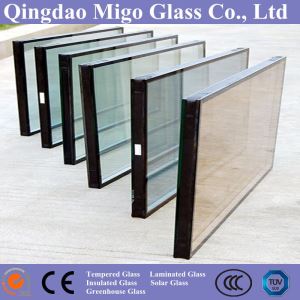
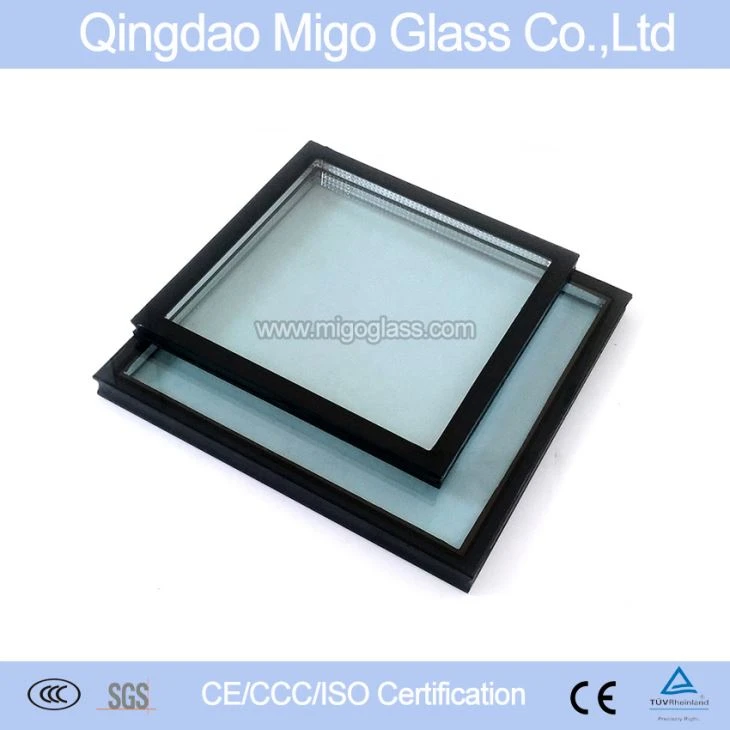
Modern insulated glass units generally consist of two or more glass panes separated by a sealed cavity.
Depending on project requirements, manufacturers may offer different glass thicknesses, coating configurations, spacer systems, and gas-filled cavities.
These design options allow architects and window manufacturers to select glazing according to local climate conditions and building performance targets.
Commercial Projects Require Customized Glass Solutions
Office buildings, hotels, residential developments, and public facilities have different requirements for insulation, safety, and appearance.
For overseas construction buyers, choosing suitable insulated glass involves evaluating several technical factors:
- Thermal insulation performance and U-value
- Solar heat gain and visible light transmission
- Glass thickness and overall unit configuration
- Compatibility with window and curtain wall systems
- Safety glass requirements where applicable
- Long-term sealing performance and durability
For projects involving large glazed areas, the selection of appropriate glass can significantly influence overall building energy performance.
International Buyers Focus on Quality and Reliability
As glazing systems become more specialized, international distributors and contractors are placing greater importance on manufacturing consistency.
Accurate glass dimensions, reliable edge sealing, coating quality, and appropriate packaging are essential considerations for insulated glass procurement.
Poor manufacturing quality may affect installation efficiency or the long-term performance of finished glazing units.
For international projects, suppliers capable of supporting customized specifications and consistent production can help customers manage complex purchasing requirements.
MIGO Glass Supports Energy-Efficient Building Projects
MIGO Glass, based in Qingdao, China, supplies architectural glass products for international construction applications.
The company's product range includes Low-E glass, insulated glass units, tempered glass, and laminated glass, providing options for different residential and commercial building requirements.
MIGO Glass also supports customized dimensions and glass configurations based on customer specifications, helping overseas distributors, window manufacturers, and construction contractors source suitable glazing materials.
As energy-efficient construction continues to influence renovation and new building projects, high-performance insulated glass will remain an important component of modern architectural design.
For international buyers, the combination of thermal performance, manufacturing quality, and reliable supply will continue to shape purchasing decisions in the architectural glass market.