Tempered glass is widely used in padel courts, sports facilities, and commercial buildings because of its high strength and safety performance. Compared with ordinary float glass, it offers much better impact resistance and breaks into small, less hazardous fragments if damaged.
However, buyers occasionally hear about spontaneous breakage and wonder whether it indicates poor product quality. In reality, spontaneous breakage is a well-known phenomenon in the glass industry, and understanding its causes can help buyers make better purchasing decisions.
What Is Spontaneous Breakage?
Spontaneous breakage refers to tempered glass breaking without a visible external impact. Although it is relatively uncommon, it can occur even when the glass has been manufactured and installed correctly.
The important point is that spontaneous breakage does not always mean the glass is defective. Several factors may contribute to this type of failure.
Nickel Sulfide Inclusions
One of the most common causes is nickel sulfide (NiS) inclusions.
These microscopic particles may be present in the raw materials used to produce float glass. During the tempering process, nickel sulfide particles become trapped inside the glass.
Over time, changes in temperature can cause these particles to expand slightly. In rare cases, this creates internal stress that eventually causes the tempered glass to break.
Although modern manufacturing processes greatly reduce the occurrence of NiS inclusions, they cannot be completely eliminated.
Edge Damage During Handling
Not every unexpected breakage is spontaneous.
Small chips or scratches along the edge of the glass can develop during:
- Transportation
- Loading and unloading
- Installation
- Improper storage
Because the edge carries much of the internal stress within tempered glass, even a tiny defect may gradually grow into a crack after installation.
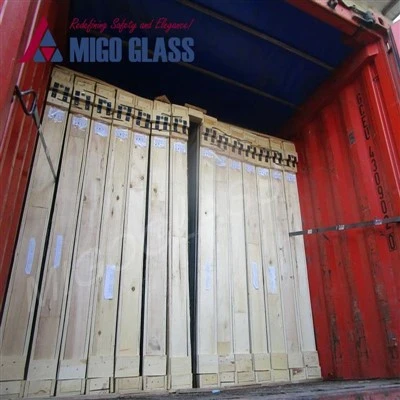
This is one reason why professional suppliers place great importance on edge protection during export packaging.
Installation Stress
Incorrect installation can also create unnecessary stress on glass panels.
Common installation problems include:
- Over-tightened connectors
- Insufficient expansion gaps
- Uneven supporting structures
- Direct metal-to-glass contact
- Incorrect gasket installation
These issues may not cause immediate failure but can increase the likelihood of breakage over time.
How Can Buyers Reduce the Risk?
While spontaneous breakage cannot be completely prevented, buyers can significantly reduce the risk by choosing experienced manufacturers and following proper installation practices.
Professional buyers often request:
- Heat soak testing for critical projects
- CNC-polished edges
- Accurate installation drawings
- High-quality rubber gaskets
- Proper export packaging
Common Causes of Glass Breakage
| Possible Cause | Can It Be Controlled? |
|---|---|
| Nickel sulfide inclusions | Partially, through heat soak testing |
| Edge damage | Yes |
| Improper installation | Yes |
| Transportation damage | Yes |
| Thermal stress | Yes, through correct design |
Project Example
A contractor installing several panoramic padel courts reported that one glass panel broke a few weeks after installation. Initial concerns focused on manufacturing quality, but a detailed inspection showed a small edge chip hidden beneath one connector.
The chip had likely occurred during handling before installation. Once the damaged panel was replaced and handling procedures were improved, no further incidents were reported on the project.
The case demonstrated that transportation and installation are just as important as manufacturing quality.
Final Thoughts
Spontaneous breakage is a recognized characteristic of tempered glass, but it represents only a small percentage of installations.
For most commercial sports projects, the greater risks come from poor handling, incorrect installation, and inadequate quality control, all of which can be effectively managed.
By selecting a reputable supplier, using proper packaging, protecting the glass edges, and following recommended installation procedures, buyers can significantly improve the long-term reliability and safety of tempered glass systems.