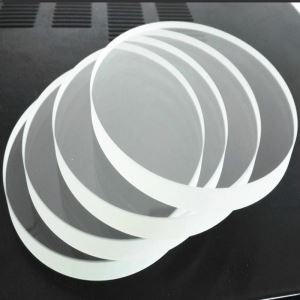
Padel Court Glass
I. Introduction
Padel is rapidly gaining popularity as a dynamic and engaging racquet sport, combining elements of tennis and squash. Played in an enclosed court, padel relies heavily on the use of glass walls to enhance gameplay and create a unique experience for both players and spectators. The choice of glass for padel courts is crucial, as it influences not only the aesthetics of the court but also the gameplay and safety. This article will explore the key aspects of padel court glass, including its types, specifications, and the benefits it brings to the sport.
II. Types of Glass Used in Padel Courts
The glass used in padel courts is specifically designed to meet the demands of the sport. Here are the primary types of glass commonly utilized:
Tempered Glass
Definition and Properties: Tempered glass is created through a heating and cooling process that makes it much stronger than regular glass. During this process, the glass is heated to over 600 degrees Celsius and then rapidly cooled, creating internal stress that enhances its durability.
Advantages:
Safety: In the event of breakage, tempered glass shatters into small, blunt pieces, minimizing the risk of injury.
Impact Resistance: It can withstand significant impact, making it ideal for the rigors of padel gameplay where balls are hit at high speeds.
Laminated Glass
Definition and Properties: Laminated glass consists of two or more glass layers bonded together with an interlayer, typically made of polyvinyl butyral (PVB). This design enhances safety and sound insulation.
Advantages:
Shatter Resistance: If broken, the glass remains intact due to the interlayer, reducing the risk of injury.
Sound Dampening: Laminated glass can help reduce noise, creating a more pleasant environment for players and spectators.
Acrylic and Polycarbonate Options
Definition and Properties: While less common, some courts use acrylic or polycarbonate materials as alternatives to glass. These materials are lighter and can be more impact-resistant.
Advantages:
Weight Reduction: They are significantly lighter than glass, making installation easier.
Flexibility: Acrylic and polycarbonate can absorb impacts better than glass, though they may scratch more easily.
III. Specifications and Benefits of Padel Court Glass
When designing a padel court, specific glass specifications are essential to ensure optimal performance and safety. Here are the key specifications and benefits of using high-quality glass in padel courts:
Thickness
Standard Thickness: Typically, padel court glass ranges from 10mm to 12mm in thickness. This thickness provides the necessary strength to withstand impacts from the ball and players.
Structural Integrity: Thicker glass enhances structural integrity, ensuring the walls can endure the dynamic movements of the game.
Transparency and Clarity
Visibility: High-quality glass offers excellent transparency, allowing spectators to enjoy the match without obstructions. This clarity also helps players gauge the ball's trajectory as it bounces off the walls.
Aesthetic Appeal: Clear glass enhances the overall aesthetic of the court, creating a modern and inviting atmosphere.
UV Protection
Sunlight Exposure: Many padel courts are outdoors or partially exposed to sunlight. Using glass with UV protection helps prevent fading of court materials and reduces glare for players.
Health Benefits: UV protection also contributes to the health and safety of players by minimizing harmful sun exposure.
Ease of Maintenance
Cleaning: Smooth, high-quality glass surfaces are easier to clean and maintain. Regular maintenance ensures that visibility remains clear and the court looks appealing.
Durability Against Weather: Quality glass is resistant to weather conditions, reducing the likelihood of wear and tear over time.
Acoustic Properties
Noise Reduction: Using laminated glass can help reduce noise levels, creating a more enjoyable environment for players and fans. This feature is particularly important in urban areas where sound can be a concern.
Conclusion
Padel court glass is a critical component in the design and functionality of padel courts. The choice of glass-be it tempered, laminated, or alternative materials-affects not only the safety and durability of the court but also the overall experience for players and spectators. With the right specifications in place, padel court glass enhances gameplay, contributes to the sport's growing popularity, and creates a visually appealing environment. As padel continues to expand globally, the importance of high-quality glass in its courts will only increase, making it an essential consideration for builders, players, and fans alike.