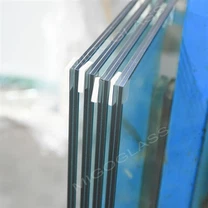
What is low-E glass (low-emissivity coated glass)?How many types of low-E glass are on the mar -ket?Is all low-E glass the same?
Low-E glass refers to glass with a low-emissivity coating. It reduces heat gain or loss by reflectin -g long-wave infrared energy (heat) and therefore,decreases the U-value and solar heat gain,and in d -oing so,improves the energy efficiency of the glazing.Because of its relative neutrality in appearance and energy efficiency,low-E glass is widely used in residential and commercial buildings and is expect -ed to continue to increase in usage in the coming years.
Based on how it is manufactured,low-E glass can fall into two categories: pyrolytic deposition (ha -rd coat) and vacuum deposition (sputter coating) low-E.The difference between the two is that the pyrolytic deposition method applies various metals to molten glass during the float glass manufactur -ing process.Vacuum deposition,on the other hand,applies various metals off-line in a large vacuum chamber.Pyrolytic coatings have higher solar heat gains and U-values and may not meet energy codes They also can be less crisp in appearance compared to sputter coatings. Sputter coatings are offered in a wide variety of color and performance options, including post-temperable versions,and can meet and exceed energy code requirements.