Selecting the right glass for deck railings involves balancing safety, durability, functionality, and aesthetics. Here's a step-by-step guide to help you decide:
1. Prioritize Safety Standards
Options for Safety Glass
Choose tempered glass or laminated glass, as they are designed to minimize injury risk.
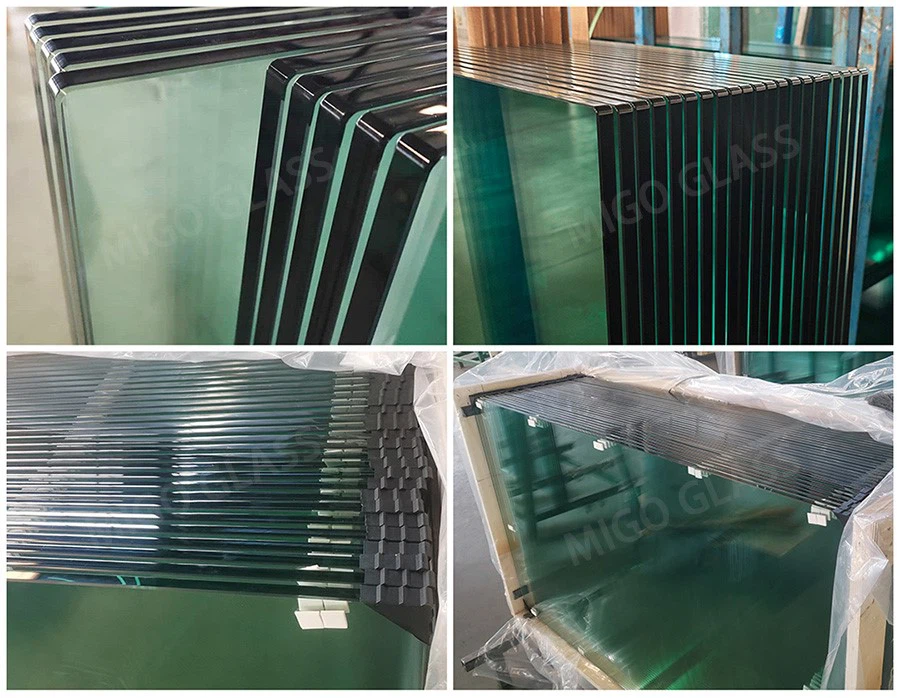
Tempered glass: Shatters into small, blunt pieces (instead of sharp shards) and is 4–5 times stronger than regular annealed glass. Ideal for most deck railings.
Laminated glass: Consists of two glass layers bonded with a plastic interlayer (e.g., PVB). If broken, the glass stays intact, adding extra security-great for high-risk areas (e.g., windy locations or homes with children/pets).
Check certifications
Ensure the glass meets industry standards like ASTM C1048 (U.S.) or EN 12150 (EU) for tempered glass, or ASTM C1172 for laminated glass.
2. Consider Thickness & Strength
Thickness depends on use:
6mm–8mm (1/4–5/16 inch): Suitable for low-height railings or narrow spans (between posts) in calm, sheltered areas.
10mm–12mm (3/8–1/2 inch): Better for taller railings, wider spans, or regions with high wind loads (check local building codes for wind resistance requirements).
Span between posts:
Thicker glass is needed if posts are spaced more than 1–1.2 meters (3–4 feet) apart to prevent flexing.
3. Evaluate Aesthetics & Functionality
Transparency:
Clear glass is popular for unobstructed views of gardens, oceans, or landscapes.
Tinted/framed options:
Tinted glass (e.g., gray, bronze) reduces glare and adds privacy. Frosted or etched glass offers style while obscuring views.
Frameless vs. framed:
Frameless glass uses minimal hardware (clips, bolts) for a sleek look but requires thicker glass. Framed systems (with metal rails) are more budget-friendly and add structural support.
4. Assess Weather Resistance
Outdoor durability:
Choose glass treated to resist UV rays (prevents yellowing) and extreme temperatures (from -40°C to 80°C / -40°F to 176°F).
Moisture & corrosion:
Pair glass with rust-resistant hardware (stainless steel, aluminum) to avoid damage from rain, humidity, or saltwater (coastal areas).
5. Follow Local Building Codes
Check regional regulations for:
Minimum railing height (usually 900mm–1100mm / 36–43 inches).
Wind load ratings (critical for coastal or high-wind zones).
Impact resistance (some areas require glass to withstand accidental bumps or debris).
6. Budget Considerations
Tempered glass is more affordable than laminated glass but offers less shatter retention.
Thicker glass and custom sizes (e.g., extra-wide panels) will increase costs, as will specialty treatments (tinting, frosting).
By aligning these factors with your deck's location, design goals, and safety needs, you can select glass that's both functional and visually appealing.