Patterned glass has become a popular alternative to clear glass in modern shower enclosure design. From residential bathrooms to hotels and multi-family developments, textured glass offers a balance of aesthetics, privacy, and functionality that appeals to both designers and end users.
In this article, we explore the key advantages and disadvantages of patterned glass for shower enclosures, helping B2B buyers determine whether it is the right solution for their next project.
What Is Patterned Glass?
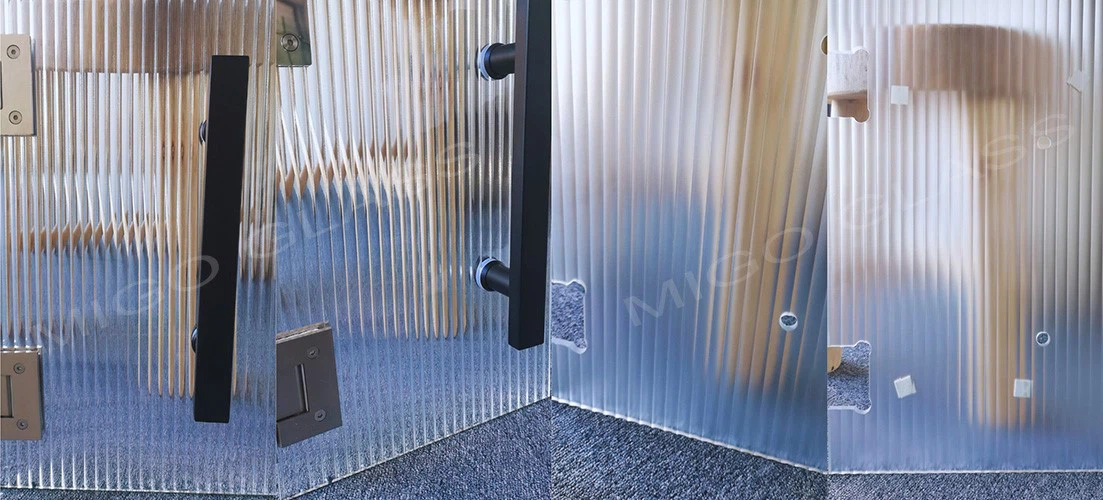
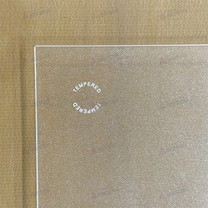
Patterned glass-also known as textured glass or decorative glass-is manufactured by rolling molten glass through patterned rollers to create a raised or recessed surface texture. When used in shower enclosures, the glass is typically tempered for safety and available in various thicknesses and patterns.
Common options for shower applications include:
Fluted (reeded) glass
Rain glass
Ripple or hammered glass
Custom textured tempered glass
These patterns allow light to pass through while diffusing visibility, making patterned glass ideal for privacy shower enclosures.
Advantages of Patterned Glass for Shower Enclosures
1. Unique and Premium Aesthetic Appeal
One of the primary reasons designers choose patterned glass shower enclosures is their distinctive visual impact. Unlike standard clear glass, textured surfaces add depth, movement, and character to bathroom spaces.
Patterns such as fluted glass shower screens create vertical lines that visually enhance height and modernity, while rain or ripple glass introduces a softer, more organic feel. For hotels, luxury residences, and high-end apartments, patterned glass helps elevate the overall design and differentiate the project.
Common search terms integrated: patterned glass shower enclosure, decorative shower glass
2. Improved Privacy Without Blocking Light
Privacy is a major concern in bathroom design, especially in shared or commercial environments. Patterned glass provides natural privacy through light diffusion, eliminating the need for frosted coatings or additional films.
Compared with clear tempered glass, textured shower glass reduces direct visibility while maintaining brightness. This makes it a preferred option for hotel bathrooms, apartments, and residential projects where comfort and openness are both priorities.
3. Wide Range of Pattern Options
Patterned glass offers flexibility in design selection. Popular choices include:
Fluted glass shower enclosures for modern and architectural spaces
Rain glass shower doors for a natural, spa-like appearance
Reeded or ripple glass panels for decorative or classic designs
For B2B buyers, this variety allows alignment with different architectural styles while maintaining consistent performance standards such as safety tempering and thickness control.
SEO keywords used: fluted glass shower enclosure, rain glass shower door, textured tempered glass
Disadvantages of Patterned Glass for Shower Enclosures
1. Limited Versatility Compared to Clear Glass
While patterned glass offers strong visual appeal, it is not universally suitable. In minimalist designs where transparency and visual openness are essential, clear glass shower enclosures may still be preferred.
Certain bold or heavy patterns can also dominate a space, making coordination with tiles, fixtures, and lighting more challenging-particularly if design changes occur later in the project.
2. Higher Maintenance Requirements
Cleaning is another consideration. Due to their textured surfaces, patterned glass panels may collect soap residue, mineral deposits, and water stains more easily than smooth clear glass.
In high-use environments such as hotels or gyms, this can increase maintenance effort unless protective surface treatments are applied. For this reason, many projects specify low-iron patterned glass or easy-clean coatings to improve long-term performance.
3. Potential Style Limitations Over Time
Interior design trends evolve, and some patterned glass styles may feel dated after several years. Highly decorative or niche textures are more susceptible to trend shifts.
For long-term commercial projects, neutral options such as lightly fluted or subtle textured glass tend to offer better longevity and resale appeal.
4. Cost Considerations
Compared with standard clear tempered glass, patterned glass shower enclosures often involve higher material and processing costs. Factors influencing cost include:
Specialized rolling or embossing processes
Limited availability of certain patterns
Additional tempering, cutting, or customization
For large-scale developments, it is important to evaluate whether the aesthetic and privacy benefits justify the increased investment.
SEO keywords included: patterned tempered glass cost, shower enclosure glass price
When Is Patterned Glass the Right Choice?
Patterned glass is particularly well suited for:
Hotels and hospitality projects
High-end residential bathrooms
Apartments requiring privacy without sacrificing light
Architectural designs seeking visual differentiation
For B2B buyers, selecting the right pattern, thickness, and glass treatment is essential to achieving the desired balance between design, performance, and budget.
Conclusion
Patterned glass for shower enclosures offers clear advantages in aesthetic value, privacy, and design flexibility, making it a strong alternative to clear glass in many modern projects. However, considerations such as maintenance, style longevity, and cost-effectiveness should be carefully evaluated during the planning stage.
By working with an experienced shower enclosure glass manufacturer or supplier, architects and developers can ensure that the chosen patterned glass solution meets both functional requirements and long-term project goals.