



Starting December 1, 2024, China introduced significant changes to its export tax rebate system. The rebate rate for products like refined oil, photovoltaic products, and batteries was cut from 13% to 9%, while rebates for aluminum, copper, and certain oils and fats were entirely removed.
This policy change is designed to promote domestic consumption and reduce reliance on exports, in line with China's broader economic objectives. Businesses, especially those in the metals and biofuels industries, will face higher export costs, which may reduce their competitiveness and disrupt global supply chains.
What are the changes to export tax rebates?
-
Export tax rebates terminated
This adjustment cancels export tax rebates for aluminum products, copper products, and chemically modified oils and fats derived from animals, plants, or microorganisms, covering a total of 59 tariff items:
Chemically modified oils and fats: These include non-edible oils and fats derived from animals, plants, or microorganisms.
Copper products: A wide range of copper items such as bars, rods, profiles, wires, plates, sheets, strips, and foils.
Aluminum products: Various aluminum items including hollow profiles, solid profiles, plates, sheets, strips, and foils.
Other metals and materials: This includes specific alloys and composite materials.
A full list of products for which export tax rebates have been canceled can be found here.
-
Export tax rebates reduced
This adjustment reduces the export tax rebate rate from 13% to 9% for certain refined oil products, photovoltaic products, batteries, and some non-metallic mineral products, covering a total of 209 tariff items:
Refined oil products: This includes various types of gasoline, diesel, and aviation kerosene.
Photovoltaic products: Items such as solar cells and modules.
Batteries: Different types of batteries used in various applications.
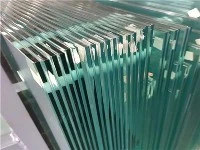
Non-metallic mineral products: This category covers a variety of items, including certain types of graphite, silicon carbide, and other processed minerals, including glass products.

Impacts of China's Export Tax Rebate Adjustments
China's reduction or elimination of export tax rebates, effective December 1, 2024, will affect both domestic industries and global markets. By cutting rebates on products like aluminum, copper, and biofuel feedstocks, China aims to promote domestic development and reduce overcapacity.
- Short-term Effects
In the short term, the rebate reductions will raise export costs for aluminum and copper, reducing their global competitiveness. Smaller aluminum processors may struggle, leading to price volatility in international markets. Additionally, the reduction in rebates for clean oil products will lower export margins, putting pressure on refiners. The elimination of rebates for used cooking oil (UCO) will raise prices, increasing biofuel production costs in the US and EU, which depend on UCO as a feedstock.
- Long-term Effects
In the long term, industries may shift focus to higher-value products and innovation. Sectors like photovoltaics and clean fuels may adapt by establishing overseas processing facilities or forming international partnerships. Domestically, businesses may strengthen local supply chains, especially for materials like aluminum and copper.
Strategies
To adapt, companies should reassess pricing strategies, diversify markets, and optimize supply chains. Staying informed about policy changes and investing in R&D will help businesses remain competitive despite the adjustments.


