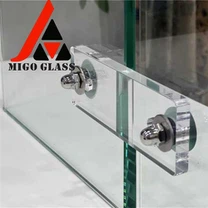
What is a nano-technology Self-Cleaning Glass Railing?
I. Introduction to nano Self-Cleaning Glass Railings
As a glass railing expert with over a decade of industry experience, I've witnessed the rapid evolution of glass technologies and their application in the built environment. One innovative solution that has gained significant traction in recent years is the self-cleaning glass railing. This specialized type of glass railing offers a unique set of benefits that make it an attractive choice for both residential and commercial projects.
Self-cleaning glass railings are characterized by a specialized coating applied to the surface of the glass panels. This coating, typically made up of titanium dioxide (TiO2), reacts with ultraviolet (UV) light to break down organic matter that accumulates on the glass over time. This self-cleaning mechanism, combined with the hydrophilic (water-loving) properties of the coated surface, allows rainwater or regular water rinses to effectively wash away dirt, grime, and other contaminants, keeping the glass panels looking clean and clear with minimal maintenance.


II. How Self-Cleaning Glass Railings Work
The self-cleaning functionality of glass railings is based on a two-step process that occurs at the molecular level:
Photocatalytic Reaction: When the titanium dioxide coating on the glass is exposed to UV light, it triggers a photocatalytic reaction. This reaction generates highly reactive oxygen species that can break down and decompose organic compounds, such as dirt, grease, and pollutants, that accumulate on the glass surface.
Hydrophilic Surface: The photocatalytic reaction also alters the surface of the glass, making it hydrophilic. This means that water spreads out evenly across the surface instead of forming discrete droplets. As rain or water cascades down the glass, it creates a "sheeting" effect, effectively washing away the broken-down organic matter and leaving the surface clean.
The self-cleaning properties of the glass are continuously renewed as long as the surface is exposed to UV light, either from natural sunlight or artificial sources. This makes self-cleaning glass railings an ideal solution for outdoor applications, where environmental factors can quickly lead to the accumulation of dirt and grime on traditional glass surfaces.

III. Benefits of Self-Cleaning Glass Railings
The unique properties of self-cleaning glass railings offer a range of benefits that make them a compelling choice for both residential and commercial projects:
Reduced Maintenance: The self-cleaning action of the glass significantly reduces the need for manual cleaning and maintenance. This saves time, labor, and the use of harsh cleaning chemicals, which can be harmful to the environment.
Long-Lasting Appearance: By maintaining a clean, streak-free appearance for longer periods, self-cleaning glass railings help preserve the aesthetic integrity of the overall design. This is particularly important in high-traffic areas or environments where dirt and grime can quickly accumulate on standard glass surfaces.
Improved Safety: The self-cleaning properties of the glass help prevent the buildup of slippery contaminants, making the railing surface less prone to becoming hazardous, especially in wet or damp conditions.
Sustainability: The reduced need for frequent cleaning and the elimination of harsh chemicals make self-cleaning glass railings a more environmentally friendly choice. This aligns with the growing demand for sustainable building materials and techniques.
Versatility: Self-cleaning glass railings can be customized to suit a wide range of architectural styles and design preferences. They can be manufactured in various sizes, shapes, and finishes to seamlessly integrate with the overall aesthetic of a project.
Enhanced Durability: The specialized coatings used in self-cleaning glass railings are highly durable and resistant to weathering, ensuring long-lasting performance and prolonged aesthetic appeal.
From luxury high-rise condominiums to bustling commercial complexes, self-cleaning glass railings are becoming an increasingly popular choice for their practical benefits and aesthetic appeal. As the demand for low-maintenance, sustainable building solutions continues to grow, this innovative technology is poised to play a significant role in the future of glass railing design and construction.