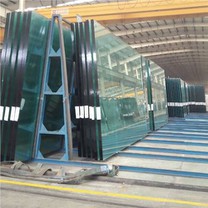
Glass railing systems have evolved significantly over the past few decades, transforming from a simple safety feature into an essential element of modern architectural design. These transparent barriers offer a combination of safety, style, and unobstructed views, making them a popular choice for residential, commercial, and even public spaces. As technology advances and design trends evolve, the market for glass railing systems continues to innovate, pushing the boundaries of what is possible in terms of aesthetics, functionality, and performance. This article explores the latest innovations in glass railing systems and what's new in the market.
1. Frameless Glass Railings: Sleek and Minimalistic
One of the most exciting innovations in glass railing systems is the rise of frameless designs. Frameless glass railings are quickly becoming a popular choice for high-end residential and commercial buildings due to their minimalistic look and the seamless integration they offer with the surrounding architecture. These systems use thick tempered or laminated glass panels that are fixed into place using discreet fittings, often made of stainless steel, making the glass appear to "float" without any visible support or frame.
Frameless glass railings are ideal for locations where unobstructed views are a priority, such as balconies, staircases, or terraces. They are designed to provide a sleek, modern look, offering clarity and transparency that allows the surrounding environment to be fully appreciated. The system is not only aesthetically appealing but also highly durable and resistant to weather conditions, making it suitable for both interior and exterior applications.
Key Features:
Unobstructed Views: Perfect for maximizing the visual experience, especially in scenic locations.
Clean, Modern Aesthetic: Provides a minimalist and contemporary feel to any space.
Durability: Resistant to weather, corrosion, and fading, which makes it ideal for both outdoor and indoor settings.
2. Glass with Integrated Lighting
An emerging trend in glass railing systems is the integration of lighting elements within the railing design. LED lights embedded within the glass panels or along the edges of the rails create stunning visual effects while also improving safety. This innovative feature not only adds an aesthetic glow to the space but also serves as a safety measure, illuminating stairs, decks, and walkways at night, preventing accidents.
There are several ways lighting is incorporated into glass railing systems:
Edge-Lit Glass: LED strips are placed along the edges of the glass panels, creating an elegant glow that highlights the glass structure.
Backlit Glass: This involves placing lights behind frosted or etched glass panels, giving the space a soft, ambient glow.
Integrated Posts: Some glass railing systems feature posts that incorporate lighting, offering a combination of sleek metal supports with built-in illumination.
These lighting solutions enhance the ambiance of both residential and commercial spaces, making them suitable for a variety of settings, from luxury homes to trendy restaurants or offices.
Key Features:
Ambiance and Functionality: Lighting improves the overall atmosphere and offers practical illumination in dark spaces.
Energy Efficiency: LED technology is energy-efficient and long-lasting.
Customization: Lighting can be tailored to different colors and intensities, offering a high level of flexibility.
3. Structural Glass Railings: Strength and Transparency
Structural glass railings are one of the most advanced innovations in the glass railing market. In these systems, the glass panels themselves serve as the primary structural element of the railing, eliminating the need for traditional posts or metal framing. The glass is usually thicker and more robust, allowing it to withstand significant loads without requiring external support.
These systems are typically made using laminated or tempered glass and feature innovative glass bonding techniques, such as resin-based adhesives or interlayer materials that enhance strength and load-bearing capacity. Structural glass railings offer a sleek, almost invisible barrier, making them perfect for locations where a completely transparent and unobtrusive design is required.
Key Features:
High Strength: Structural glass is designed to support heavy loads while maintaining safety and durability.
Aesthetic Appeal: Offers a clean, transparent look with minimal visual obstruction.
Security: Structural glass systems can be engineered to meet stringent safety standards, ensuring peace of mind for users.
4. Customizable Glass Designs and Patterns
Innovation in glass technology has also led to a wider range of customizable glass designs and finishes. These glass railing systems are available in various textures, patterns, and colors, offering an additional level of design flexibility. Textured glass, etched glass, and frosted glass are popular options for homeowners and architects looking to add a unique touch to their spaces.
Customizable patterned glass allows designers to create visually dynamic effects, whether it's through geometric patterns, nature-inspired motifs, or custom graphics. These patterns can be created using different techniques such as sandblasting, etching, or digital printing, offering endless possibilities for personalization.
Key Features:
Design Flexibility: Custom patterns or textures can be applied to suit different aesthetic preferences.
Privacy and Style: Frosted or etched glass provides a level of privacy while still maintaining the transparency and aesthetic quality of the space.
Durable and Low-Maintenance: Custom glass finishes are easy to clean and maintain, making them a practical choice for high-traffic areas.
5. Safety Innovations: Toughened and Laminated Glass
Safety is paramount when it comes to railing systems, and recent advancements in glass technology have focused on improving the strength and safety of glass used in railings. Toughened (tempered) glass and laminated glass are commonly used to ensure the glass can withstand high impacts and prevent dangerous breakage.
Toughened glass is heat-treated to increase its strength and is designed to break into small, blunt pieces rather than sharp shards if it's damaged. Laminated glass, on the other hand, is made by bonding two or more layers of glass with a strong plastic interlayer, providing additional strength and preventing the glass from shattering if cracked. Both of these innovations ensure the glass railing system is safe and durable.
Moreover, some manufacturers are now offering glass systems that are designed to meet specific regional safety standards, including wind load resistance, impact resistance, and the prevention of shattering in case of a heavy impact.
Key Features:
Safety: Toughened and laminated glass minimize the risk of injury in case of breakage.
Strength and Durability: These innovations ensure that glass railings can handle extreme weather conditions and heavy use.
Compliance with Regulations: Modern glass railings are designed to comply with local building codes and safety standards.
6. Glass Railing with Stainless Steel and Other Hybrid Materials
While glass is the main material used in modern railing systems, hybrid designs that incorporate materials like stainless steel, aluminum, and wood are becoming increasingly popular. These materials provide additional strength and support while also adding texture and contrast to the overall design.
For instance, stainless steel posts and handrails can complement glass panels, providing both structural integrity and a modern, industrial look. Some hybrid glass railings also feature wood accents or decorative elements that add warmth and character to the space. The combination of glass with other materials allows for greater design flexibility and the creation of personalized, unique railing systems that fit various architectural styles.
Key Features:
Versatility: Hybrid materials allow for more creative design combinations, blending the best of both glass and other materials.
Increased Strength: Stainless steel and aluminum offer additional strength and durability to the railing system.
Aesthetic Appeal: The combination of glass with other materials can create a visually striking effect, suitable for a range of design tastes.
Conclusion
The glass railing industry has seen significant innovation in recent years, with advancements in design, materials, and technology. From frameless glass railings and structural glass systems to customizable designs and integrated lighting, these innovations offer both aesthetic appeal and superior performance. Safety has also remained a priority, with toughened and laminated glass ensuring durability and protection for users. The future of glass railing systems looks bright, with further innovations on the horizon, promising even more exciting possibilities for modern architecture and interior design. Whether you're outfitting a residential property, a commercial building, or a public space, these cutting-edge glass railing systems provide a stylish, safe, and durable solution for any project.