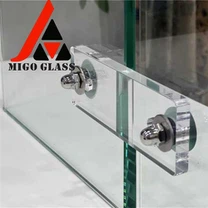
One of the key differences between SGP and PVB glass is their mechanical properties. SGP glass is known for its high strength and toughness, making it suitable for applications where impact resistance is important. In contrast, PVB glass is designed to provide enhanced safety and security due to its ability to hold shattered glass in place upon impact. This property makes PVB glass a popular choice for applications where the risk of breakage is a concern.
In terms of optical properties, SGP glass offers high transparency and excellent optical clarity, allowing for maximum light transmission. This makes it a preferred choice for applications where visibility and aesthetics are important. PVB glass, on the other hand, may have a slight impact on optical clarity due to the presence of the interlayer. However, it offers the benefit of UV protection, which can be advantageous in applications where protection from harmful UV rays is required.
Another important distinction between SGP and PVB glass is their response to temperature changes. SGP glass has a lower thermal expansion coefficient compared to PVB glass, which means it is less susceptible to thermal stress and cracking. This property makes SGP glass suitable for use in environments with fluctuating temperatures. PVB glass, while not as resistant to thermal stress as SGP glass, benefits from the flexibility of the interlayer, which can help absorb some of the stress caused by temperature variations.

PVB Glass:
PVB is a widely used interlayer material in laminated glass. It is a thermoplastic material that is known for its ability to absorb impact energy and provide excellent adhesion to glass. PVB laminated glass is commonly used in architectural applications such as windows, doors, skylights, and curtain walls, as well as in automotive windshields.
Key characteristics of PVB glass include:
1. Impact resistance: PVB has excellent impact resistance, making it an ideal choice for applications where safety and security are paramount.
2. Sound insulation: PVB interlayers can help reduce noise transmission, making it suitable for use in buildings located in noisy environments.
3. UV protection: PVB interlayers can block a significant amount of UV radiation, helping to protect interior spaces and occupants from harmful UV rays.
4. Design flexibility: PVB interlayers are available in a variety of colors, enabling architects and designers to create visually appealing glass structures.
SentryGlas® (SGP) Glass:
SentryGlas® (SGP) is a high-performance interlayer material that offers enhanced strength, durability, and clarity compared to traditional PVB. SGP laminated glass is commonly used in applications that require superior structural performance, such as glass balustrades, canopies, facades, and overhead glazing.
Key characteristics of SGP glass include:
1. Structural strength: SGP interlayers are significantly stiffer and stronger than PVB, providing greater resistance to impact, wind loads, and seismic forces.
2. Durability: SGP laminated glass can withstand harsh environmental conditions, making it suitable for exterior applications in challenging climates.
3. Optical clarity: SGP interlayers offer exceptional clarity with minimal distortion, allowing for the creation of transparent and visually striking glass elements.
4. Moisture resistance: SGP interlayers have superior resistance to moisture and delamination, ensuring long-term structural integrity.
Differences between PVB and SGP Glass:
1. Strength and stiffness: SGP glass offers significantly higher strength and stiffness compared to PVB glass, making it the preferred choice for structural applications that require enhanced load-bearing capacity.
2. Optical clarity: While both PVB and SGP offer good optical clarity, SGP provides superior transparency with minimal distortion, making it suitable for applications where visual aesthetics are a priority.
3. Durability: SGP glass is more resistant to moisture and delamination compared to PVB glass, making it suitable for exterior applications exposed to harsh weather conditions.
Design flexibility: PVB glass offers a wider range of color options, allowing for greater design flexibility in terms of aesthetics. However, SGP glass is also available in various colors and can be customized to meet specific design requirements.
Applications for PVB Glass:
Architectural Windows and Doors: PVB laminated glass is extensively used in windows, doors, and curtain walls for buildings. It provides safety and security by retaining glass fragments when broken and offers sound insulation properties.
Skylights and Canopies: PVB glass is suitable for skylights and canopies due to its impact resistance and ability to block harmful UV radiation while allowing natural light transmission.
Automotive Windshields: PVB laminated glass is widely used in automotive windshields to enhance passenger safety. It provides excellent impact resistance and prevents shattered glass from dispersing upon impact.
Safety Glass Partitions: PVB glass is employed in interior glass partitions to enhance safety and reduce noise transmission between different areas.
Applications for SGP Glass:
Structural Glazing: SGP laminated glass is commonly used in applications that require superior strength and load-bearing capacity, such as glass facades, curtain walls, and structural glazing systems. It can withstand higher wind loads and seismic forces.
Glass Balustrades and Railings: SGP glass is ideal for glass balustrades and railings where structural integrity and transparency are critical. It provides enhanced safety and durability.
Overhead Glazing and Canopies: SGP laminated glass is suitable for overhead glazing systems and canopies where resistance to extreme weather conditions and long-term durability are essential.
High-End Design Applications: SGP glass is often chosen for high-end architectural projects that prioritize aesthetic appeal and optical clarity, such as museums, galleries, and luxury retail spaces.
In conclusion, both PVB and SGP laminated glass have their own distinct advantages and are suitable for different applications based on specific performance requirements. When selecting the right type of laminated glass, it's essential to consider factors such as structural performance, durability, optical clarity, and design flexibility to ensure that the chosen glass solution meets the needs of the project. By understanding the differences between PVB and SGP glass, architects, designers, and specifiers can make informed decisions to achieve optimal results in their glass applications.