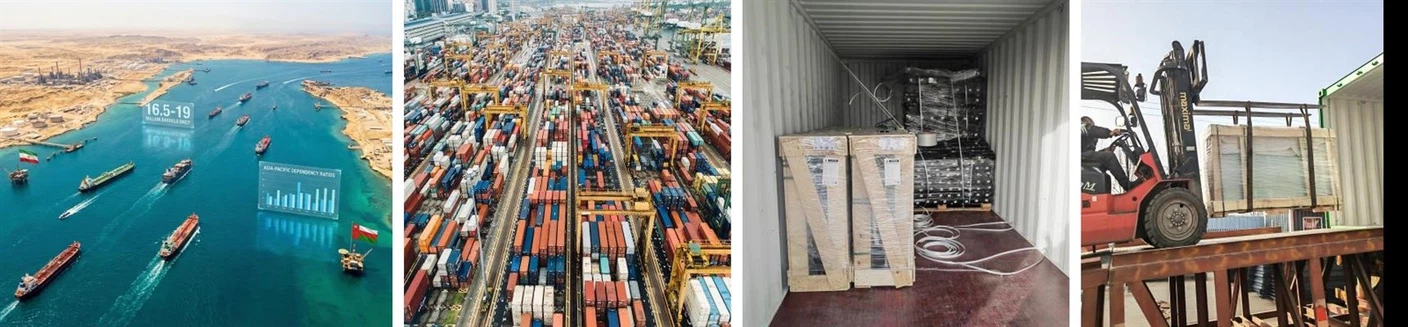



March 1, 2026 – The escalating conflict in the Middle East, triggered by U.S. and Israeli strikes on Iran and Iran's subsequent actions-including effective restrictions on the Strait of Hormuz-has now severely disrupted the Suez Canal route. While the Suez Canal itself remains open and under Egyptian control with no direct blockade, major global shipping lines have suspended transits through the Red Sea and Bab el-Mandeb Strait due to heightened security risks, leading to widespread rerouting around Africa's Cape of Good Hope.
This development reverses earlier 2026 efforts by carriers to gradually resume Suez/Red Sea services following previous disruptions (e.g., Houthi-related attacks). The combined pressure from the Hormuz situation and renewed Red Sea concerns has created a dual chokepoint crisis, amplifying impacts on global trade, freight rates, and supply chains.
Current Status of the Suez Canal
- The Suez Canal Authority continues normal operations, with no reported closures or attacks on the waterway itself.
- However, upstream risks in the Red Sea and Bab el-Mandeb Strait-exacerbated by the broader regional conflict-have prompted carriers to avoid the route entirely.
- Major lines including Maersk, Hapag-Lloyd, CMA CGM, and MSC have issued advisories suspending Trans-Suez sailings, with vessels rerouted via the Cape of Good Hope.
- This has led to a sharp drop in canal traffic, similar to or exceeding the 2023-2025 Red Sea crisis levels, as ships avoid the entire Red Sea corridor.
Key Impacts on Shipping and Global Trade
- Rerouting and Transit Delays Ships are now taking the longer Cape of Good Hope route, adding 10-20 days (or more) to voyages between Asia/Europe, Asia/Middle East, and related lanes. This extends delivery times significantly for time-sensitive goods and strains vessel availability.
- Freight Rate Surge Rerouting increases fuel consumption dramatically, compounded by soaring bunker prices from the oil shock (Brent crude has surged amid Hormuz risks). Expect freight rates on Asia-Europe and similar routes to rise 20-50% or higher in the short term, with additional emergency surcharges (e.g., conflict-related fees) and war risk insurance premiums potentially doubling. Air freight alternatives are also seeing demand spikes and rate increases.
- Supply Chain Disruptions Ports in the Middle East (e.g., Jebel Ali, Abu Dhabi) face potential congestion or standstills due to trapped vessels and avoided calls. Global inventory buffers may be tested, particularly for imports reliant on fast Asia-Europe/Middle East connections, leading to broader delays in manufacturing, retail, and energy sectors.
- Oil Price Linkage and Broader Effects The Hormuz restrictions (carrying ~20% of global oil) are driving energy costs higher, indirectly inflating shipping expenses even on non-Suez routes. Egypt has warned that prolonged Hormuz issues could further reduce Suez Canal revenues through lower traffic.
Strategies for Export Trading Companies
To mitigate these challenges, export-oriented businesses should consider the following proactive steps (building on prior Hormuz guidance):
- Immediate Cargo Review → Contact carriers for updated ETAs and prioritize urgent/high-value shipments via air or hybrid sea-air options to bypass delays.
- Route and Supplier Diversification → Shift sourcing away from Middle East-dependent chains toward Southeast Asia, Latin America, or nearshoring; explore emerging land/rail corridors (e.g., Belt and Road) for Eurasian trade.
- Inventory and Buffer Planning → Accelerate stockpiling of critical components while monitoring cash flow to avoid excess holding costs.
- Contract and Risk Management → Negotiate flexible freight agreements with escalation clauses for geopolitical events; secure enhanced war risk coverage and lock in rates where possible.
- Real-Time Monitoring → Leverage tracking platforms, carrier advisories, and industry alerts to adjust plans dynamically.
The situation remains highly fluid, with potential for de-escalation or further intensification. The Suez Canal's viability depends heavily on Red Sea security improvements, which are currently unlikely amid the ongoing crisis.
For tailored advice on specific routes, cargo types, or contingency planning, please reach out to our logistics team. We are closely monitoring developments and ready to support your supply chain resilience.
Stay updated via trusted maritime news sources and official carrier announcements.