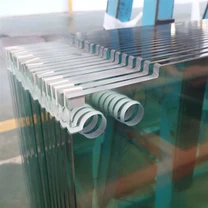
PVB (Polyvinyl Butyral) and SGP (SentryGlas Plus) are two different interlayer materials used in laminated glass.
Here are the differences between them:
Material Composition: PVB is a thermoplastic material, while SGP is a highly durable thermoset material. PVB is made from polyvinyl alcohol and plasticizers, whereas SGP is made from a combination of ionoplast polymers and plasticizers.
Strength and Durability: SGP is significantly stronger and more rigid than PVB. It has higher tensile strength, stiffness, and resistance to impact, making it more suitable for applications that require enhanced safety and security.
Transparency and Clarity: PVB has excellent optical properties and provides high light transmission, resulting in clear and transparent laminated glass. SGP also offers good optical clarity but has a slightly lower light transmission compared to PVB.
Post-breakage Performance: When laminated glass with PVB interlayer breaks, the glass fragments tend to adhere to the interlayer, reducing the risk of injury from sharp glass shards. SGP, on the other hand, maintains its structural integrity even after breakage, providing enhanced post-breakage performance and residual strength.
Applications: PVB laminated glass is commonly used in architectural applications such as windows, doors, and skylights. It is also used in automotive windshields. SGP laminated glass is preferred for applications requiring higher safety and security, such as hurricane-resistant windows, blast-resistant glazing, and structural glass assemblies.
Cost: PVB is generally less expensive compared to SGP, making it a more cost-effective option for standard laminated glass applications. SGP, being a premium material, is relatively more expensive.
Ultimately, the choice between PVB and SGP laminated glass depends on the specific requirements of the application, including the desired level of safety, security, and performance, as well as budget considerations.