PVB (Polyvinyl Butyral) and EVA (Ethylene Vinyl Acetate) are both types of interlayer materials used in laminated glass, but they have different properties and applications. Here are the main differences between PVB and EVA:
-Composition: PVB is a thermoplastic resin made from polyvinyl alcohol and butyraldehyde, while EVA is a copolymer made from ethylene and vinyl acetate.
-Transparency: PVB has excellent optical clarity and transparency, making it a popular choice for applications where visibility is important, such as automotive windshields. EVA, on the other hand, tends to have a slightly lower level of transparency, and it can have a slightly yellowish tint.
-Adhesion: PVB has good adhesion properties, allowing it to bond well with glass. It forms a strong, durable bond, making it suitable for safety applications where the glass needs to stay intact even if shattered. EVA also has good adhesion properties, but it generally provides a stronger bond to other materials like plastics or metals.
-Sound and UV absorption: PVB has better sound-damping properties than EVA, making it more effective at reducing noise transmission. PVB also provides better UV (ultraviolet) radiation absorption, offering enhanced protection against fading and damage caused by the sun's rays. EVA has some UV-blocking properties but is generally less effective than PVB in this regard.
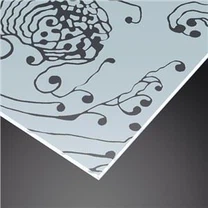
-Processing: EVA has a lower processing temperature compared to PVB, which makes it easier to work with in certain applications. It can be processed using heat and pressure, allowing for various customization options like encapsulating objects or incorporating decorative elements within the laminated glass. PVB requires higher temperatures for processing and is typically used in traditional laminated glass applications.
-Applications: PVB is widely used in automotive windshields, architectural glass, and other safety glass applications. It is valued for its excellent optical properties, impact resistance, and ability to hold glass fragments together when broken. EVA is often used in applications where adhesion to materials other than glass is required, such as encapsulating solar cells, creating decorative glass panels, or laminating plastic or metal sheets.
It's important to note that the selection between PVB and EVA depends on the specific requirements of the application, and both materials have their advantages and appropriate uses in the realm of laminated glass.