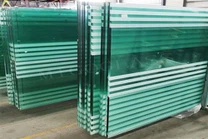
Greenhouses use anti-reflective (AR) coatings to improve light transmission and enhance the efficiency of plant growth. Typically, AR coatings are designed to reduce reflection by minimizing the amount of light that bounces off the surface of the glass or plastic material used in the greenhouse.
Although AR coatings can be hydrophobic or hydrophilic, hydrophilic coatings are often preferred in greenhouse applications. Here's why:
-Light transmission: Hydrophilic coatings have a high affinity for water, enabling them to spread water into a thin, continuous film rather than forming droplets. This helps to maintain the transparency of the coating, allowing maximum light transmission through the greenhouse material. Droplets can cause light scattering and reduce the amount of light reaching the plants.
-Self-cleaning: Hydrophilic coatings have a self-cleaning effect due to their ability to attract and spread water. When water comes into contact with a hydrophilic coating, it forms a thin film that helps to wash away dirt, dust, and other contaminants from the surface. This minimizes the need for manual cleaning and ensures that the greenhouse material remains clear and transparent.
-Condensation control: Greenhouses often experience condensation, which can obstruct light transmission and hinder plant growth. Hydrophilic coatings can help manage condensation by spreading water into a thin, uniform film that evaporates more easily. This prevents the formation of large droplets that can block light and provides a clearer view for plants.
Overall, the hydrophilic nature of AR coatings used in greenhouses helps to optimize light transmission, maintain transparency, facilitate self-cleaning, and control condensation, all of which contribute to improved plant growth and productivity.