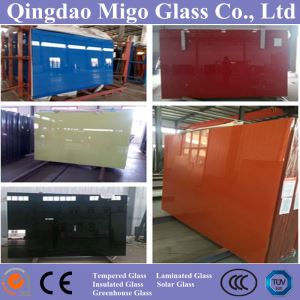
When choosing float glass, there are several factors to consider:
Thickness: Determine the thickness of the glass based on the specific requirements of your project. Thicker glass provides better insulation and soundproofing.
Size: Consider the size of the glass sheets you need, as well as any custom cuts or shapes required for your project.
Quality: Look for high-quality float glass that is free from defects, distortion, and blemishes. Check for uniform thickness and clarity.
Safety: If the glass will be used in areas where safety is a concern, such as doors or windows, consider using tempered or laminated float glass for added safety and security.
Energy Efficiency: For applications where energy efficiency is important, consider low-emissivity (low-e) coated float glass to reduce heat transfer and improve insulation.
UV Protection: If the glass will be exposed to sunlight, consider float glass with UV protection to minimize the effects of ultraviolet rays.
Supplier Reputation: Choose a reputable supplier with a track record of providing high-quality float glass and excellent customer service.
By considering these factors, you can choose the right type of float glass for your specific needs.