Causes of Bubbles in Laminated Glass
Bubbles are a common issue in laminated glass. They not only affect the appearance but can also impact the glass's performance and safety. Below are the main causes of bubbles and how they occur.
1. Raw Material Issues
Poor-quality materials can easily lead to bubble formation and reduce the overall quality of laminated glass.
- PVB Film Problems
If the PVB (Polyvinyl Butyral) film contains impurities, too much moisture, or has aged due to improper storage, it can release gas when heated, creating bubbles.
- Glass Surface Defects
Tiny pits or scratches on the glass surface can trap air during lamination, forming small air pockets that later become visible bubbles.
2. Production Process Issues
Incorrect control of temperature, pressure, or processing time during production can also cause bubbles.
- Lamination Step
If the glass is not fully cleaned before lamination, dust, oil, water stains, or fingerprints can prevent the PVB film from bonding tightly to the glass, leading to bubbles.

- Preheating and Pre-pressing
During this stage, if the air between the glass and PVB film is not completely removed by rolling or vacuuming, the remaining air can expand under high temperature and pressure, forming bubbles.
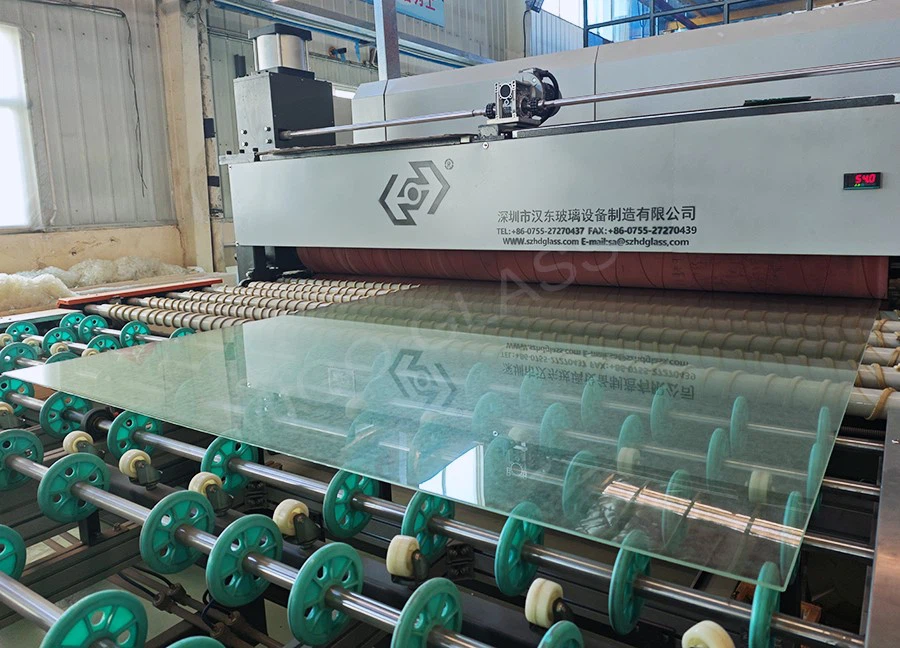
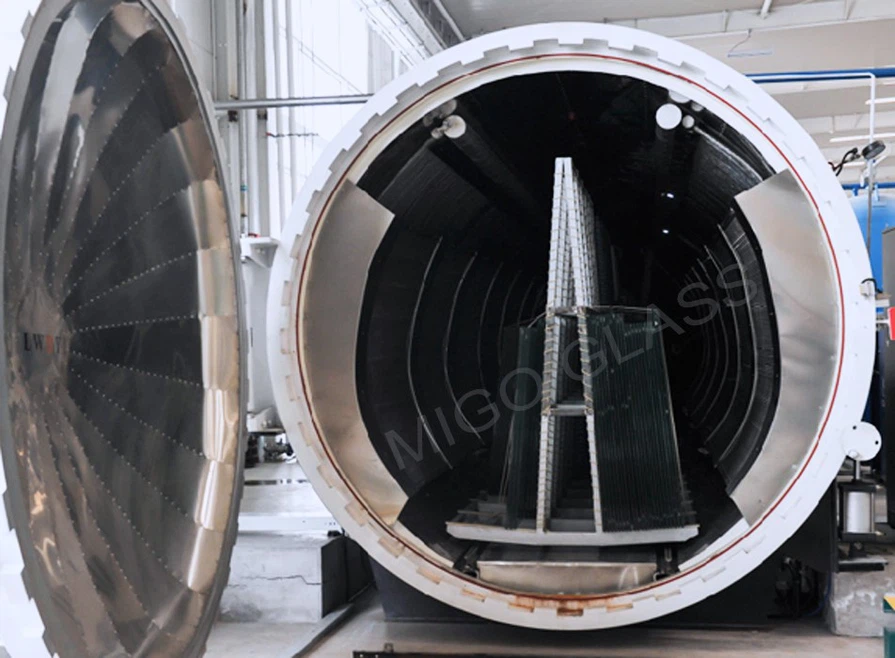
- Autoclaving
If the autoclave temperature rises too quickly, pressure is too low, or the holding time is too short, the PVB film may not melt evenly, leaving air or gas trapped inside.
3. Installation and Environmental Factors
Bubbles can also appear after installation due to environmental or handling issues.
- Humid Environment
If the glass or PVB film absorbs moisture during installation in a humid environment, temperature changes later can cause that moisture to evaporate and form bubbles.
- Improper Installation
Uneven pressure or misalignment during installation can leave small gaps in the laminate, allowing air to enter and form bubbles. Using the wrong type of sealant can also react with the PVB film and create gas.
- External Damage
Impact or pressure over time may damage the glass edges or seals, allowing air or moisture to enter the laminated layer and gradually form bubbles.
By controlling material quality, improving production precision, and ensuring proper installation, most bubble problems in laminated glass can be effectively prevented.