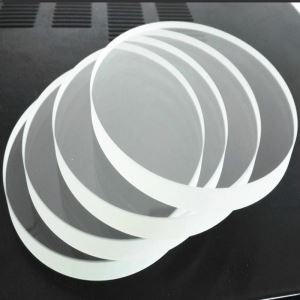
Glass pool fencing is increasingly popular for its aesthetic appeal and the unobstructed views it offers. However, one common concern for homeowners considering this option is the safety of the material-specifically, whether glass pool fencing can shatter. This article will delve into the types of glass used for pool fencing, their strengths, and the factors that influence their durability and safety.
1. Types of Glass Used in Pool Fencing
1.1 Toughened Glass (Tempered Glass)
Toughened glass, often referred to as tempered glass, is the most common choice for pool fencing. This type of glass undergoes a special heat treatment process that increases its strength and makes it much tougher than regular glass. The process involves heating the glass to around 600℃ and then rapidly cooling it. This treatment creates internal stresses that make the glass resistant to impacts and thermal stresses.
1.1.1 Strength
Toughened glass is about five to seven times stronger than standard glass of the same thickness. It is designed to withstand high-impact forces and thermal fluctuations.
1.1.2 Safety
When broken, toughened glass shatters into small, blunt pieces rather than sharp shards, reducing the risk of injury. This property is crucial for pool areas where children and pets are present.
1.2 Laminated Glass
Laminated glass consists of two or more layers of glass bonded together with a layer of plastic (typically PVB or EVA) in between. This construction provides additional safety and strength.
1.2.1 Strength
Laminated glass is highly resistant to impact and can maintain its integrity even after a significant impact. The interlayer holds the glass together if it breaks, preventing large shards from falling.
1.2.2 Safety
This type of glass is very effective at preventing injuries from sharp fragments. The interlayer also adds an extra layer of security, as it can be more difficult to break through.
1.3 Standard Glass
Standard glass, also known as annealed glass, is not typically recommended for pool fencing due to its lower strength and safety characteristics. It does not undergo the toughening process that enhances impact resistance and thermal stress tolerance.
1.3.1 Strength
Standard glass is much weaker compared to toughened or laminated glass and can be prone to breaking under impact or stress.
1.3.2 Safety
When it breaks, standard glass shatters into sharp, dangerous shards, which pose a significant risk to safety.
2. Factors Affecting Glass Pool Fencing Durability
2.1 Thickness of the Glass
The thickness of the glass used in pool fencing plays a crucial role in its strength and durability. Generally, thicker glass panels are more resistant to impact and are less likely to break under stress.
2.1.1 Typical Thickness
Toughened glass used for pool fencing is usually between 8mm and 12mm thick. Thicker panels offer greater strength and resistance to forces.
2.2 Installation Quality
The installation of glass pool fencing is as important as the type of glass used. Proper installation ensures that the glass panels are securely mounted and aligned correctly.
2.2.1 Mounting Systems
There are various mounting systems available, such as frameless, semi-frameless, and fully framed. Each system offers different levels of strength and stability.
2.2.2 Professional Installation
It is essential to have the glass pool fencing installed by a qualified professional who understands the requirements and standards for safety and durability.
2.3 Environmental Conditions
Environmental factors can also affect the longevity and performance of glass pool fencing. Exposure to extreme weather conditions, such as high winds, heavy rain, or intense sunlight, can impact the glass over time.
2.3.1 Maintenance
Regular maintenance and inspections can help identify any potential issues early and ensure the glass remains in good condition. This includes checking for signs of wear or damage and cleaning the glass to prevent buildup that might cause stress points.
2.4 Impact and Stress
Glass pool fencing is designed to withstand everyday impacts and stresses, but extreme forces can still cause damage.
2.4.1 Accidental Impacts
While toughened and laminated glass are resistant to impact, they are not indestructible. Heavy objects or deliberate force can potentially cause damage.
2.4.2 Maintenance of Integrity
It is important to avoid activities that might put undue stress on the glass, such as leaning heavily against it or allowing children to play rough games near the fencing.
Conclusion
In conclusion, glass pool fencing is a safe and aesthetically pleasing option for many homeowners, provided that the appropriate type of glass is chosen and properly maintained. Toughened (tempered) glass and laminated glass are both excellent choices for their strength and safety features. However, standard glass should generally be avoided due to its lack of impact resistance and safety concerns.
Ensuring that your glass pool fencing is installed correctly and maintained regularly will help maximize its durability and safety. By understanding the types of glass available and the factors that affect their performance, you can make an informed decision and enjoy the benefits of a stylish and secure pool area.