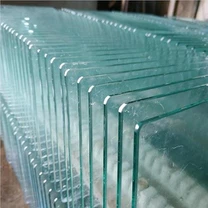
There are several factors that contribute to the increase in glass prices.
Raw material costs: The cost of the raw materials used in glass production, such as sand, soda ash, and limestone, can fluctuate. If the prices of these materials increase, it directly affects the overall cost of producing glass, leading to higher prices.
Energy costs: Glass production requires significant amounts of energy, particularly in the melting and shaping processes. If energy costs rise, it can significantly impact the production cost of glass and result in higher prices.
Transportation costs: Glass products are often bulky and fragile, requiring special handling and packaging during transportation. If transportation costs, including fuel prices and logistics expenses, increase, it can add to the overall cost of glass, leading to higher prices.
Labor costs: Glass manufacturing involves skilled labor, particularly in the shaping and finishing processes. If labor costs increase due to factors such as wage hikes or labor shortages, it can contribute to the increase in glass prices.
Market demand and supply: Fluctuations in market demand and supply can also impact glass prices. If there is an increase in demand for glass products, it can lead to higher prices as manufacturers may need to invest in expanding production capacity or increase prices to meet the demand. Similarly, if there is a decrease in supply due to factors such as production disruptions or plant closures, it can also result in higher prices.
Government regulations and taxes: Government regulations and taxes can also affect the cost of glass production. For example, if there are stricter environmental regulations that require glass manufacturers to invest in pollution control measures, it can increase their production costs and subsequently lead to higher prices. Similarly, if there are higher taxes imposed on glass products, it can also contribute to the increase in prices.